

Exploring the psychology behind high-stakes gambling decisions
The Allure of High-Stakes Gambling
High-stakes gambling often captures the imagination of individuals drawn to the thrill and excitement that comes with risk. The psychology behind this allure can be complex, encompassing emotional, cognitive, and social factors. Many people are attracted to the potential for substantial financial gain, which can create a heightened sense of euphoria, even if the odds are not in their favor. In this context, those looking for a more secure gambling experience might consider exploring casinos not on gamstop as an option.

The rush experienced during high-stakes gambling can be likened to other forms of adrenaline-inducing activities. This excitement can lead to a release of dopamine, the brain’s pleasure chemical, reinforcing the behavior and making individuals more likely to return for more. However, this cycle can also lead to detrimental outcomes, as the chase for the next win can overshadow rational decision-making.
Cognitive Biases at Play
Cognitive biases significantly influence the decisions made by gamblers, often leading to irrational behaviors. One common bias is the illusion of control, where individuals believe they can influence random outcomes through skill or strategy. This belief can lead to overconfidence and poor decision-making, particularly in high-stakes environments where the pressure to succeed is intense.
Another prevalent bias is the gambler’s fallacy, where players mistakenly believe that past outcomes will influence future results. For example, after several losses, a gambler may feel that a win is due, leading them to make increasingly risky bets. Understanding these biases can be crucial for developing strategies for responsible gambling and mitigating potential negative consequences.
The Role of Emotion in Decision-Making
Emotion plays a significant role in high-stakes gambling decisions, often clouding judgment and leading to impulsive choices. The exhilaration of winning can create a powerful emotional high, while losses can trigger feelings of disappointment or anger. These emotional responses can override rational thought, making it challenging for individuals to make sound decisions based on logic and probability.
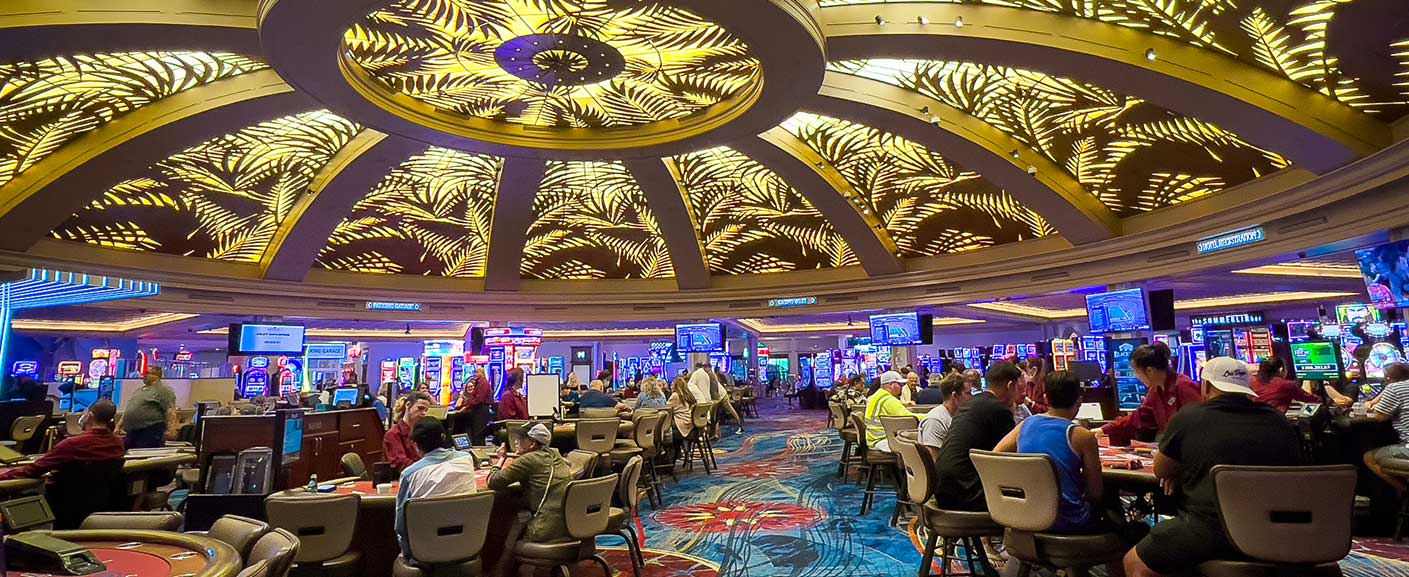
Furthermore, the environment in which gambling takes place can amplify these emotional responses. High-pressure situations, such as crowded casinos or competitive poker games, can elevate stress levels, causing individuals to act on impulse rather than through careful consideration. Recognizing the emotional influences at play can help gamblers become more self-aware and make better choices.
The Impact of Social Influences
Social influences significantly affect high-stakes gambling behavior. Peer pressure, group dynamics, and the desire for social acceptance can drive individuals to engage in riskier gambling activities. In environments where gambling is normalized or celebrated, individuals may feel compelled to participate, even when they are not comfortable with the risks involved.
Moreover, social media and online gambling platforms can create a false sense of community, where individuals showcase their wins and downplay their losses. This environment can lead to unrealistic expectations and a culture that glorifies high-stakes gambling, further complicating decision-making. Understanding the social context of gambling is vital for promoting responsible behaviors and fostering healthier habits.
Understanding Responsible Gambling
Responsible gambling involves recognizing the psychological factors that drive high-stakes decisions and developing strategies to mitigate their impact. This includes setting limits on spending, understanding personal triggers, and seeking help when gambling becomes problematic. Education about cognitive biases and emotional influences can empower gamblers to make informed choices.
Promoting responsible gambling is essential not only for individuals but also for communities and the gambling industry. Awareness campaigns and support resources can help foster a culture of moderation and accountability, ensuring that high-stakes gambling remains a form of entertainment rather than a pathway to financial ruin. This website serves as a valuable resource for understanding these dynamics and encouraging responsible engagement in gambling activities.